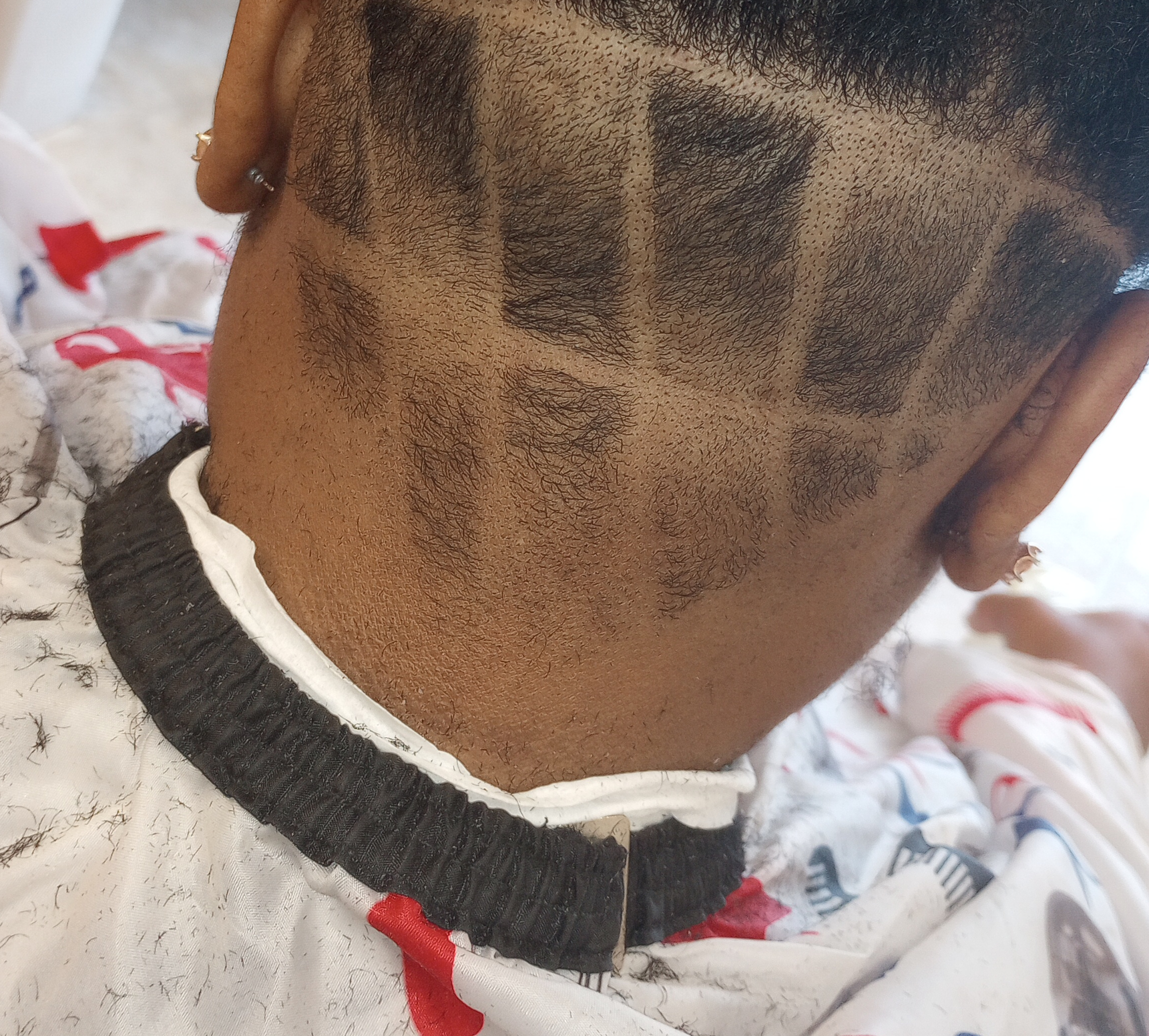
The Architecture of the Blur: The Secret to a Perfect Fade
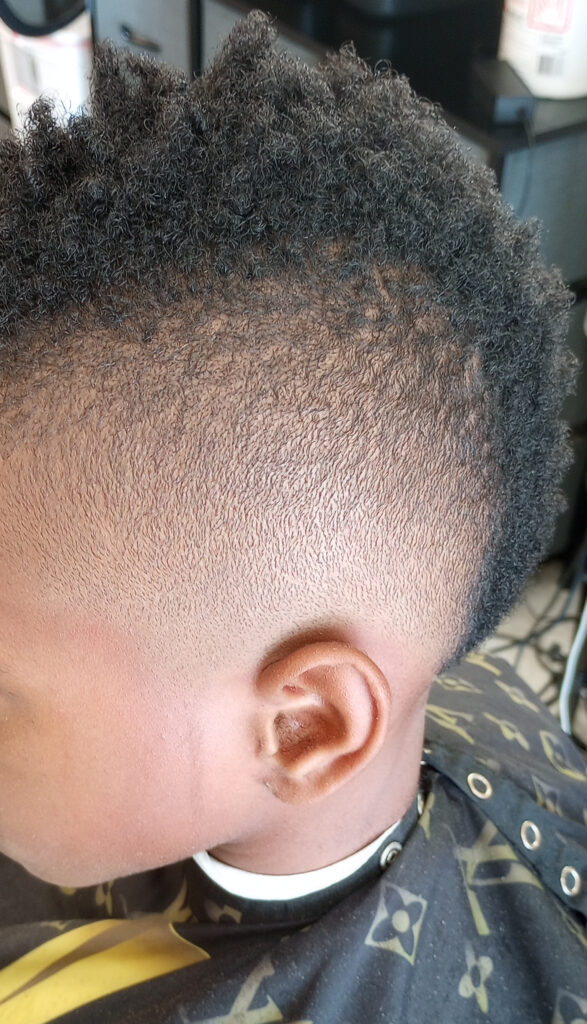
The perfect fade isn’t just a haircut; it’s a high-stakes engineering project executed on a living, breathing canvas. When you analyze hair at an elite level, you realize the “secret” isn’t in the brand of clipper—it’s in the geometry of the transition.
Here is the breakdown of the perfect fade from both sides of the chair.
1. The Barber’s Perspective: Engineering the Shadow
For the professional, a fade is a study in gradient mathematics. While an average stylist “cuts hair,” a master barber manipulates how light reflects off the scalp.
- The Bone Structure Blueprint: We don’t just cut to a length; we navigate the parietal ridge and the occipital bone. The secret is “stretching” the transition in areas where the skull dips to prevent “weight” or dark spots.
- The C-Stroke Mastery: It is all in the wrist. If you aren’t using a calculated flick-out motion, you’re creating lines instead of gradients. Precision requires constant micro-adjustments.
- The “Vanish” Point: The difference between a standard cut and an avant-garde masterpiece is the bottom half-inch. It’s the seamless marriage between skin and the blade that creates that “blurred” effect.
Creative Director’s Note: “If you can still see where the skin ends and the hair begins, the job isn’t finished. We are looking for a smoke-and-mirrors transition.”
2. The Client’s Perspective: The Psychology of Precision
For the person in the chair, the “secret” isn’t technical—it’s experiential. A perfect fade provides an immediate boost in perceived social status and self-assurance.
- The Silhouette Test: A client knows a fade is perfect when it squares off their head shape. It’s about correcting nature’s imbalances to create a more dominant, symmetrical profile.
- The 10-Day Rule: The real secret for a client is the grow-out. A precision fade grows out evenly. If the shape looks “choppy” after a week, the geometry was off on Day 1.
- The Trust Loop: The client’s secret weapon is the relationship. When you find a barber who understands your cowlicks and crown density, you aren’t just paying for a trim—you’re investing in your personal brand.
Why the Industry Gets It Wrong
The common mistake is thinking a fade is a “style.” It’s not. It’s a standard.
Whether it’s a low-drop or a high-and-tight, the secret is the consistency of the blur. If the transition is choppy, the visual “signal” is noisy. At ogmalikthebarber LLC, we filter out the noise. We don’t just cut; we calibrate.
What’s your biggest “fade” pet peeve? Is it the blend, the lineup, or the grow-out? Let’s talk about it in the comments below.